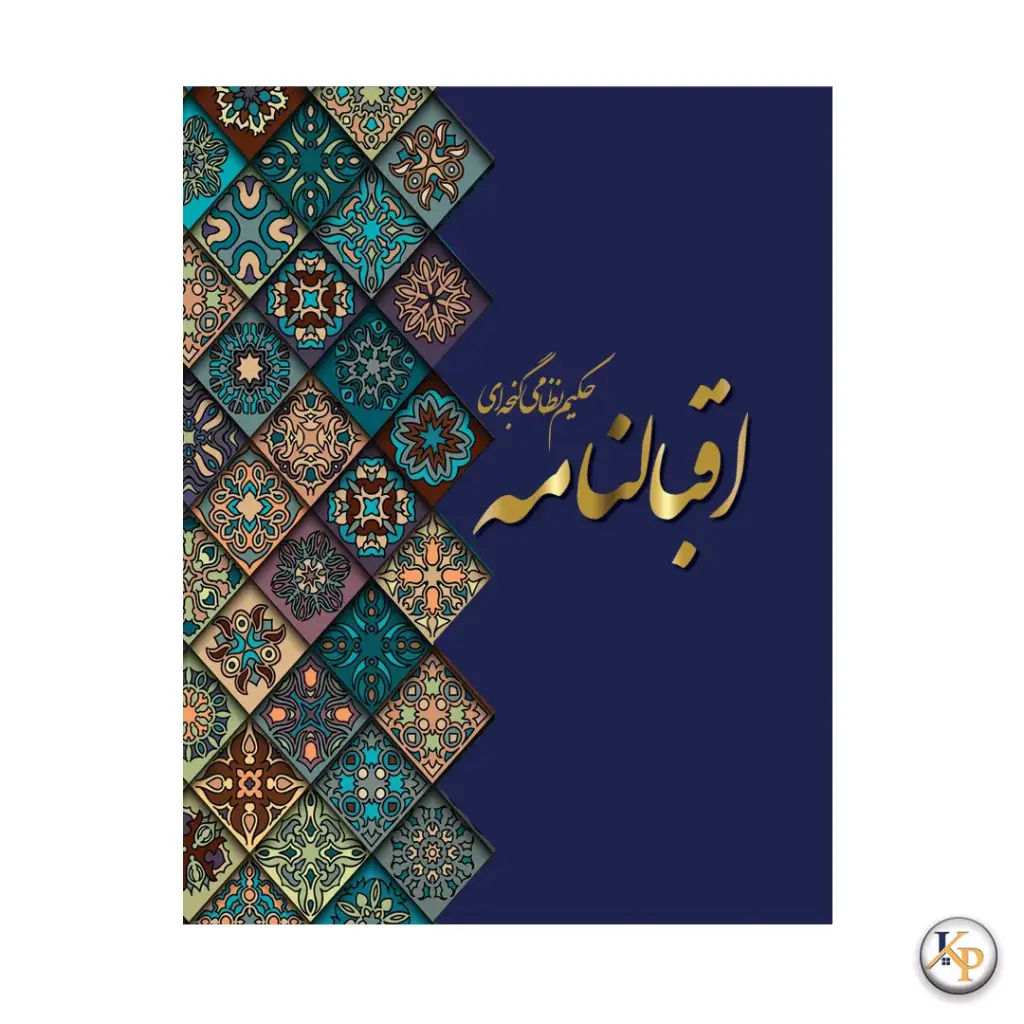
اقبالنامه
This content will be shared across all product pages.
Get the Book from Amazon in Your Region


















Product details
- Publisher : Kidsocado
- Publication date : December 28, 2025
- Language : Persian
- Print length : 200 pages
- ISBN-10 : 1778923240
- ISBN-13 : 978-1778923241
- Item Weight : 1.24 pounds
- Dimensions : 7.5 x 0.5 x 9.25 inches
Iqbal-Nameh, also known as The Book of Good Fortune or The Book of Wisdom, is the final masterpiece of Nezami Ganjavi. In this work, Alexander the Great is portrayed not merely as a conqueror, but as a wise sage and a prophetic traveler who journeys across the farthest lands in order to spread divine truth. He encounters diverse peoples and faces many hardships along his path.
The present volume has been prepared with the aim of strengthening the connection between Iranians and Persian-speakers around the world and the poetic heritage of Nezami Ganjavi. In this edition, the Iqbal-Nameh has been presented with clarity and elegance for the esteemed reader. Although numerous editions of Nezami’s Iqbal-Nameh have previously been published by scholars and experts of Persian literature—each valuable and significant in its own right—our goal here has been to offer an accessible, carefully edited, and reader-friendly version for a general audience. Therefore, in this book we have set aside intricate textual criticisms and instead based our work on the respected edition prepared by Master Hassan Vahid Dastgerdi.
Another feature of this edition is the careful use of punctuation and diacritical marks throughout the text, helping readers pronounce the words correctly. We hope that this effort serves as a modest reflection of the vast and enduring cultural heritage of Iran.
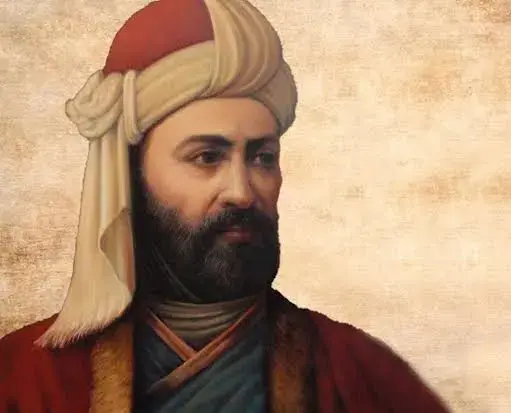
About Ganjavi
Elias, son of Yusuf—known by his pen name Nezami—was one of the greatest Persian-language poets and storytellers of the 12th century. He lived in the city of Ganja, which today lies within the Republic of Azerbaijan. Based on the evidence found in his works, it appears that his mother was of Iranian Kurdish descent, while his father was likely from Tafresh or Farahan in central Iran. Beyond this, little precise information is available regarding the details of his life.