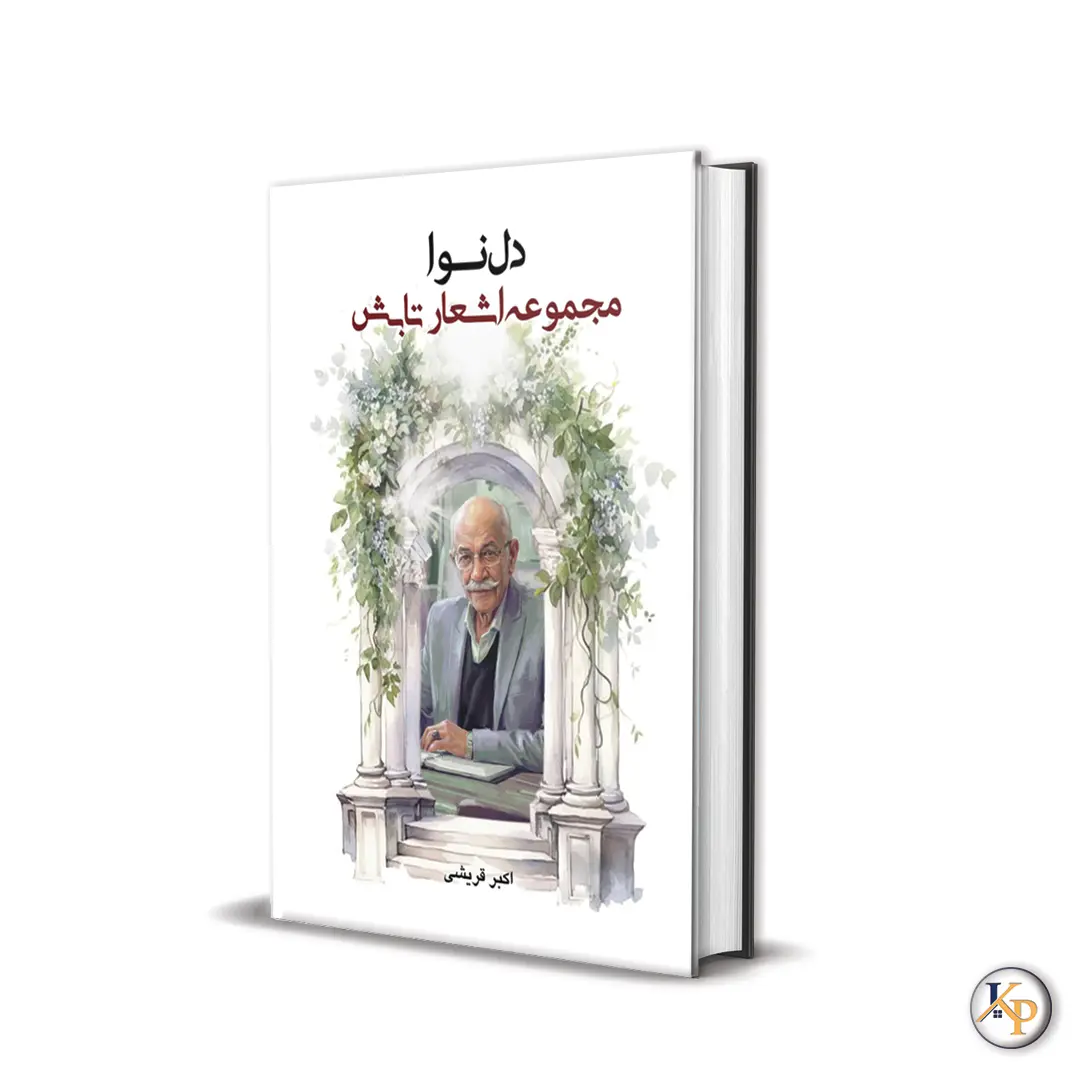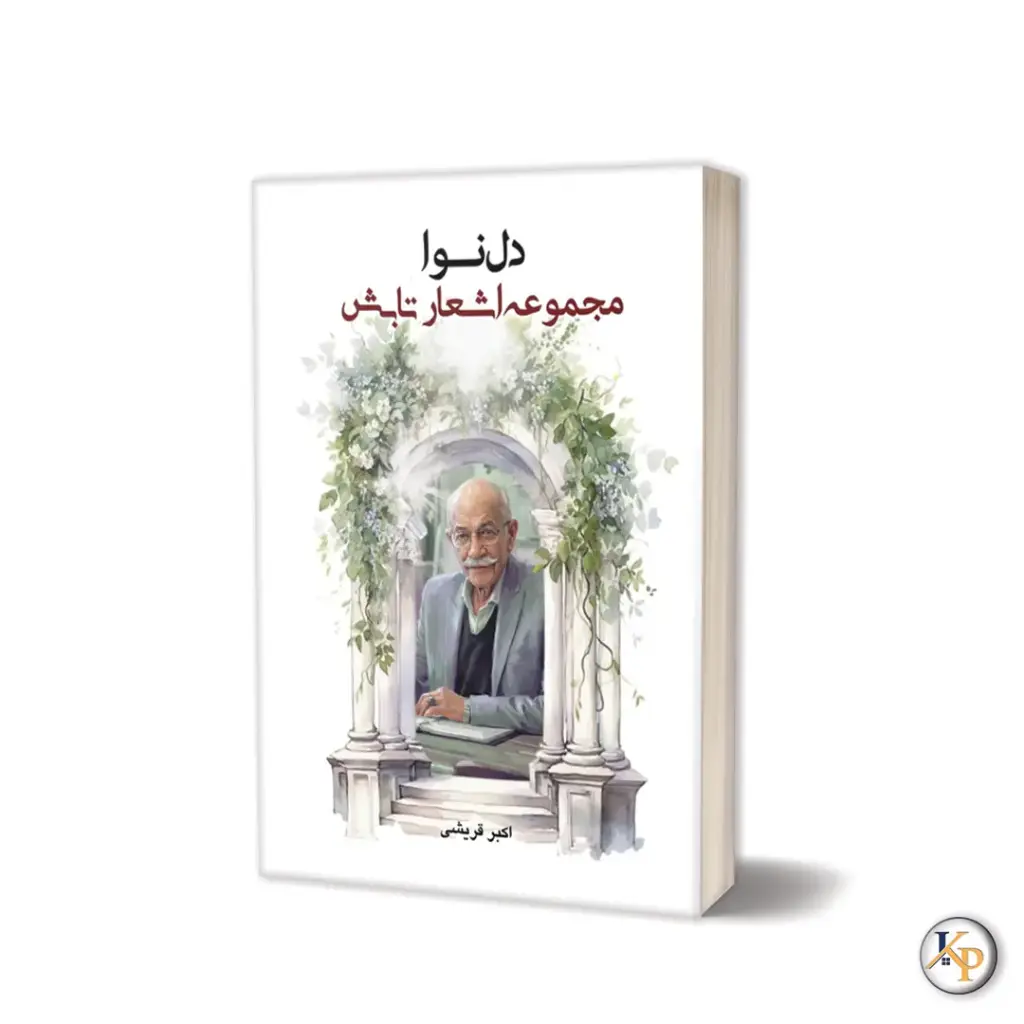
دلنوا
Akbar Ghoreishi
Professionally published books with global distribution, premium design, and international availability across major bookstores and online retailers.
Get the Book from Amazon in Your Region















Get You eBook






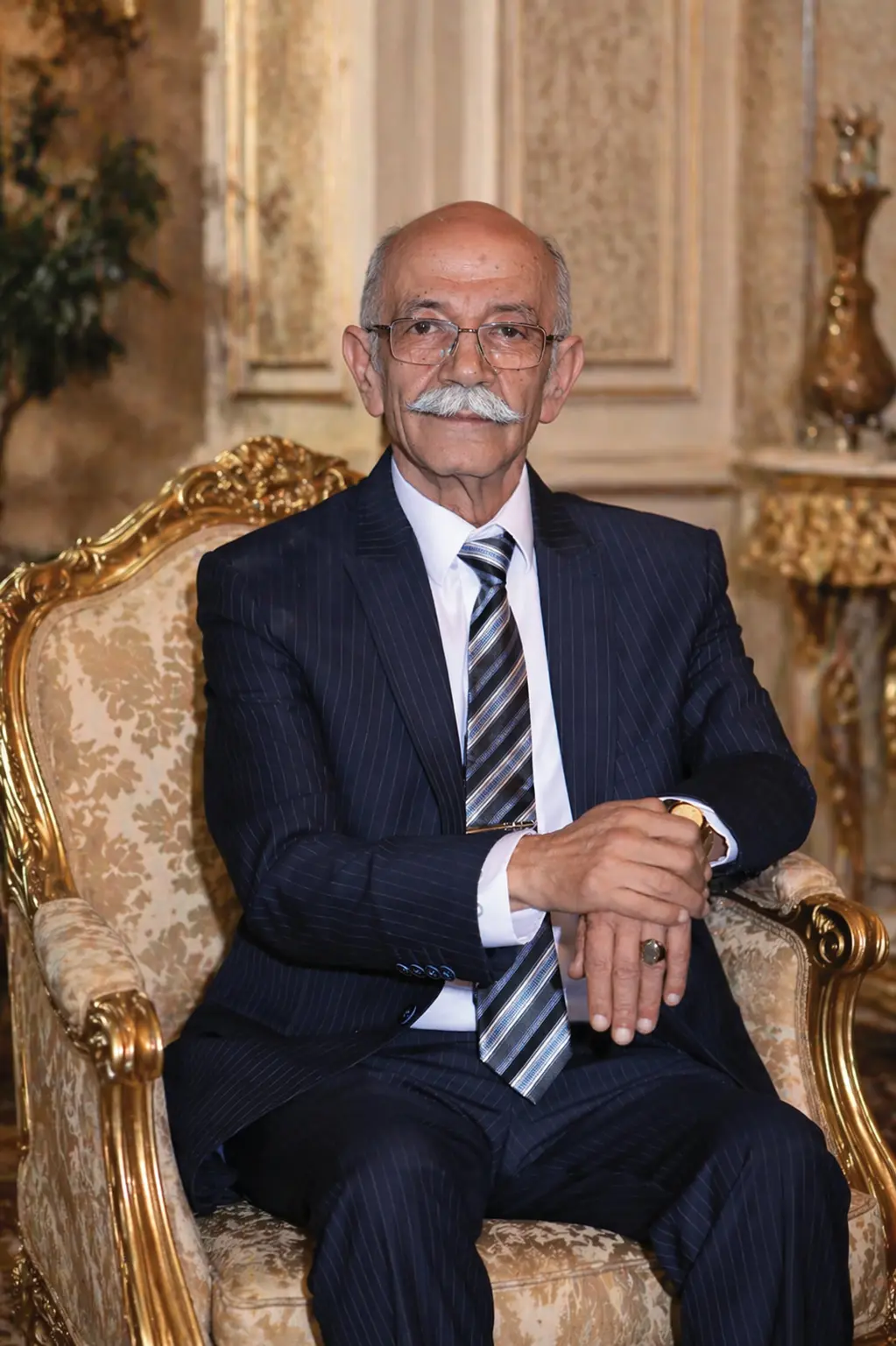
About Dr.Akbar Ghoreishi
Akbar Ghoreishi, known by the pen name Tabesh, was born on March 21, 1953, in Isfahan, Iran.
He spent his childhood and completed his primary education in Isfahan. Later, due to his father's occupation, his family moved to Tehran, where he completed the first half of his secondary education. He then returned to his hometown of Isfahan to finish high school.
After graduating, he fulfilled his mandatory military service and was immediately employed by the Ministry of Justice. He served for approximately 14 years in the judicial system in both Tehran and Isfahan. Following the 1979 Iranian Revolution, he voluntarily resigned from his position and pursued a career in private business.
From an early age, Tabesh had a deep passion for literature and the arts. At the age of 17 or 18, he began writing poetry and exploring his literary talents, marking the beginning of his lifelong journey as a poet.
Product details
- Product details
- Publisher: Kidsocado
- Publication date: March 20, 2026
- Language: Persian
- Print length: 132 pages
- ISBN-10: 177892266X
- ISBN-13: 978-1778922664
- Item Weight: 8.6 ounces
- Dimensions: 6 x 0.36 x 9 inches
Del Nava is a diverse and engaging collection of Persian poetry featuring a variety of traditional forms, including ghazals, do-beytis (quatrains), and lyrical prose pieces. The collection explores a wide range of themes, from human emotions and family life to social concerns and everyday experiences.
Alongside its thoughtful and reflective poems, Delnava also includes examples of lighthearted humorous verse (motāyebeh), a classical Persian literary style that employs wit, gentle satire, and playful language to bring a smile to the reader while preserving the artistic integrity of the work. These poems add warmth and intimacy to the collection without diminishing its literary value.
Several poems are written in the charming Isfahani dialect, giving the collection a distinctive regional flavor and an authentic sense of place. This local voice enriches the poetry with cultural nuance and heartfelt familiarity.
The variety of poetic forms and subjects found in Delnava reflects the poet's enthusiasm for exploring different traditions within Persian literature while expressing emotions and ideas with honesty, simplicity, and sincerity.
If one were to describe this collection in a single sentence, it would be this: a poet who writes ghazals, quatrains, humorous verse, playful literary pieces, and poetry in the Isfahani dialect is a poet who values both reflection and laughter. Such balance is rare. The world often asks us to choose one or the other, but Delnava embraces both.